


Electromotive Cleaning
First Commercial
Campaign
Subsea Pipeline
Processed
The Cost of Traditional
Chemical Soak Methods
When pipelines, wellhead equipment, tanks and structures reach the end of their working life, the steel is a valuable, low-carbon feedstock. In oil and gas areas such as the Gulf of Thailand and Australia’s North West Shelf, decades of production leave mercury and naturally occurring radioactive material (NORM) locked into the corrosion and scale layer on the internal steel surface, and that layer is what stops the steel being recycled. Electromotive cleaning strips the layer, and the contaminants with it, using low-voltage direct current in a recyclable electrolyte bath. No acid. Far less secondary waste. Steel that meets conventional recycling criteria.
The Process
How Electromotive Cleaning Works
01
Receive & Screen
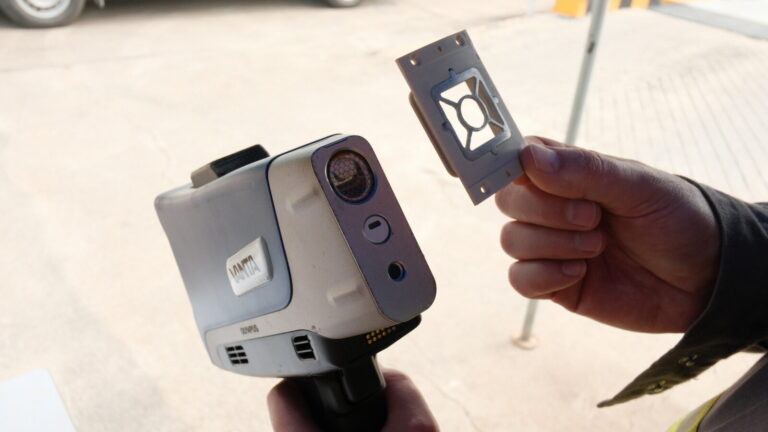
Recovered assets are inspected and screened for mercury and NORM on arrival, so cleaning effort goes where it is needed.
0
Corrosive Chemicals
02
Connect & Energise
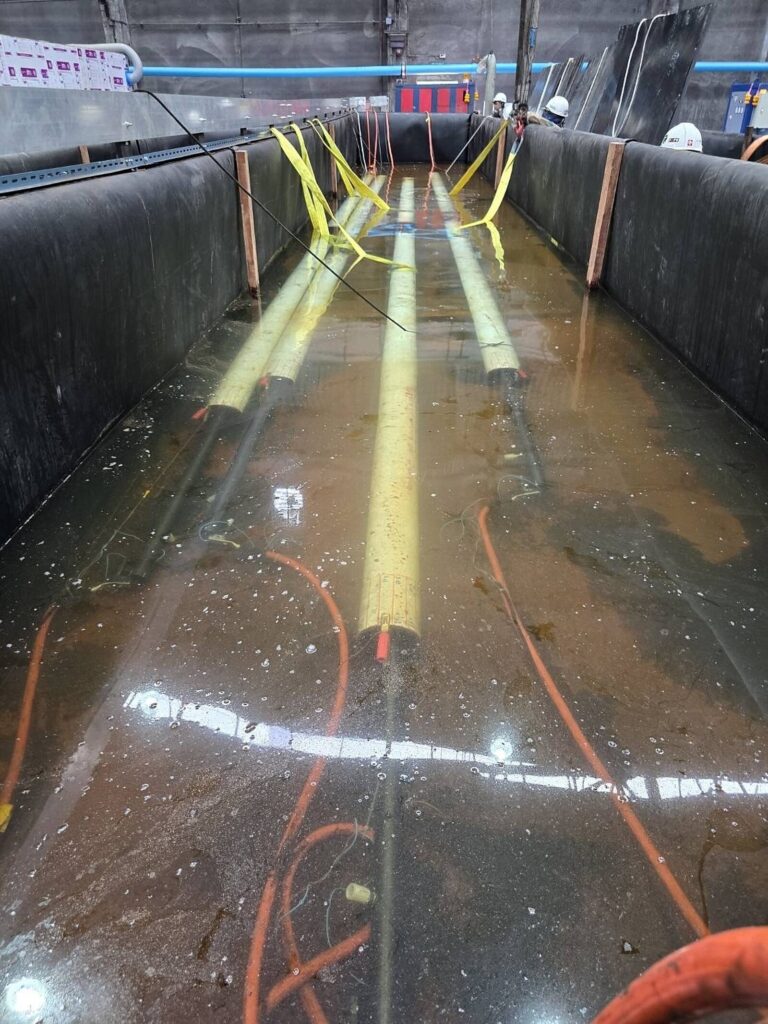
Assets are placed in an inert, non-hazardous electrolyte bath and connected to a low-voltage direct-current supply.
~60%
Of Traditional Chemical Soak Cost is Waste Disposal
03
Release the Scale
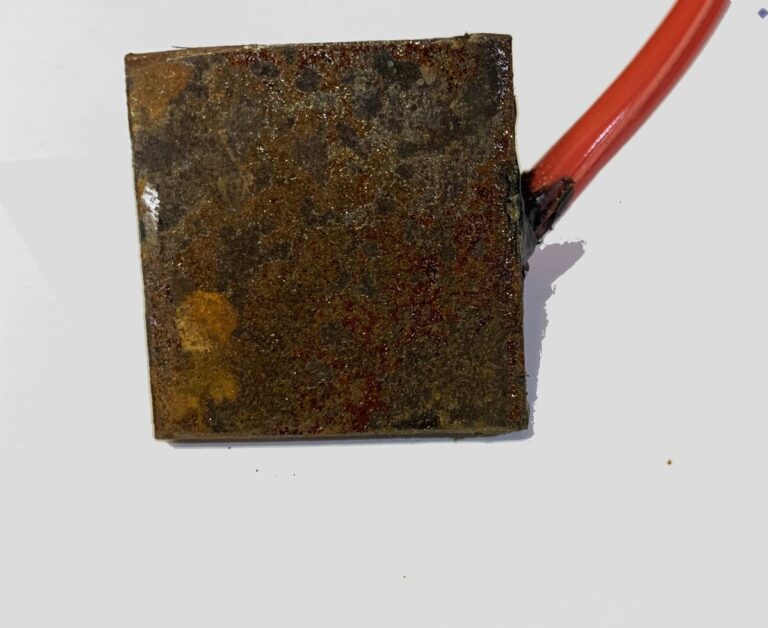
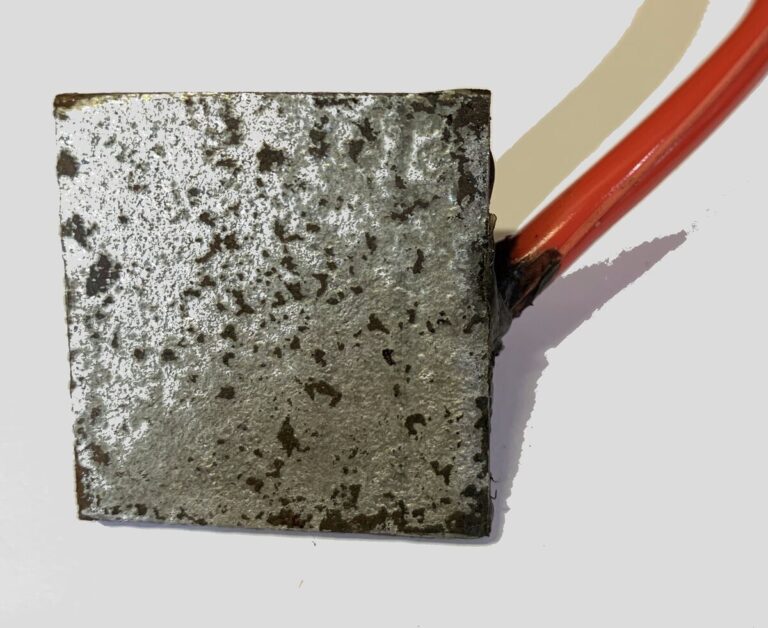
The electrochemical reaction lifts corrosion and scale, with the contaminants bound in them, from the metal surface. The scale is retained as a solid, which is easier to separate and manage than dissolved waste.
2 months
Ahead of Schedule, First Campaign
04
Verify & Release
Cleaned steel is checked against recycling criteria and released to the recycler. The electrolyte returns to the bath for the next batch.
$2M+
Savings Passed to the Operator
Competitive Advantage
Electromotive Cleaning vs. Acid Immersion
|
Criteria |
Electromotive Cleaning |
Acid Immersion |
|---|---|---|
|
Chemistry |
Inert, non-hazardous electrolyte and low-voltage direct current |
Acid bath, typically sulfuric acid |
|
Cleaning Time |
A fraction of the time taken by acid immersion |
Long soak times, depending on the amount of scale |
|
Scale Types |
Effective regardless of scale type, including barite (barium sulfate) scale |
Barite scale is largely resistant to acid |
|
Bath Life |
Electrolyte does not deplete; recycled almost indefinitely |
Acid depletes; limited reuse between batches |
|
Waste Form |
Scale retained as a solid; small liquid volume |
Full bath volume becomes liquid hazardous waste once spent |
|
Worker Exposure |
No corrosive chemicals; inherently safe operating voltage |
Corrosive-chemical handling and exposure |
|
Outcome |
Steel consistently meets conventional recycling criteria |
Variable |
|
Cost & Carbon |
Less waste to store, transport and dispose; lower cost and footprint |
Waste disposal is around 60% of cleaning cost |
Asset Types
Target Applications
Subsea Pipelines & Flowlines
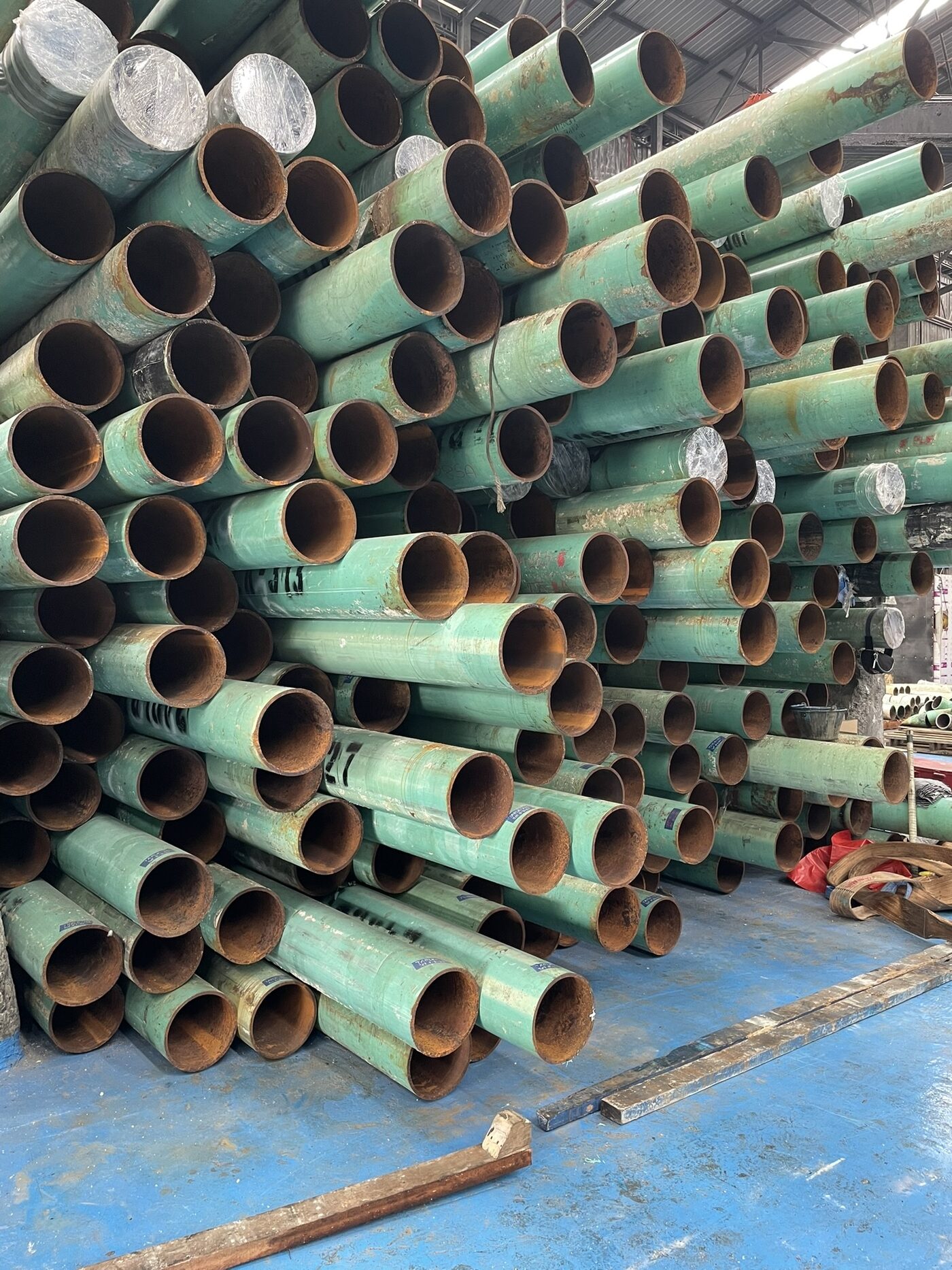
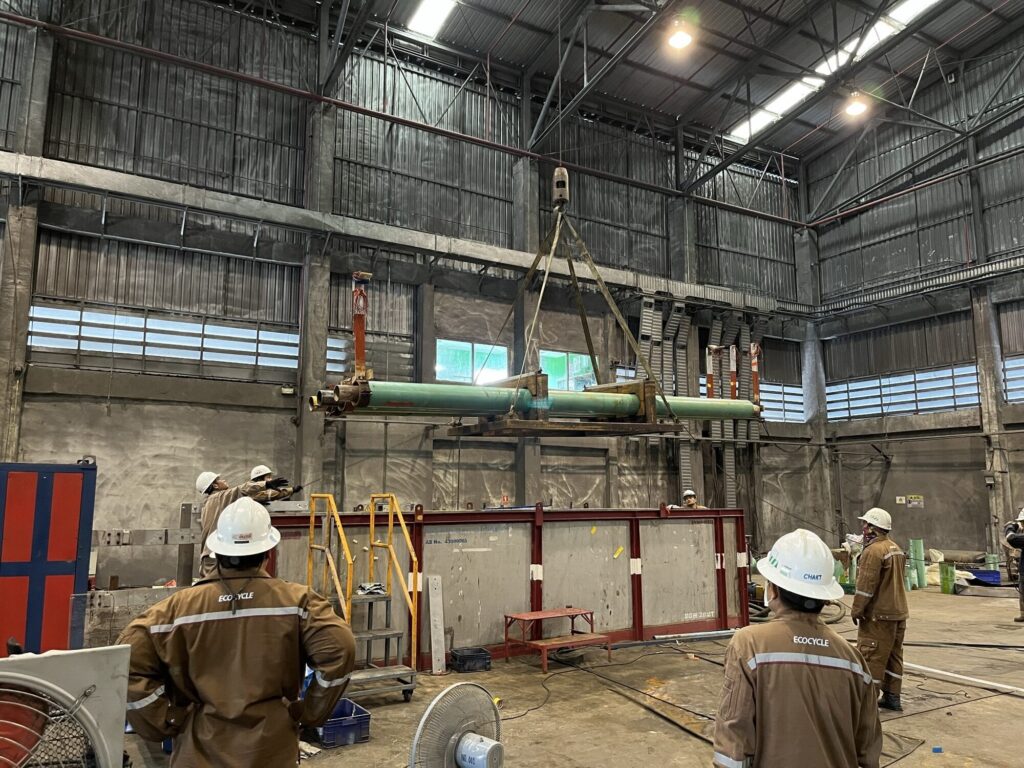
Proven at commercial scale on recovered Gulf of Thailand pipelines carrying mercury-bearing scale. Pipe bundles are treated internally and externally in the bath.
Production Piping & Spools
Straight-run production piping, spools and risers where scale, mercury and NORM concentrate over the life of a field.
Topsides & Platform Structures
Structural steel and process piping from platform removal campaigns across Southeast Asia and Australia.
Storage Tanks & Process Vessels
Internal surfaces of tanks and vessels where scale accumulates, at both decommissioning and operating facilities.
FPSO & FSO Internals
Floating production and storage units carrying hydrocarbons, mercury and NORM, at the intersection of decommissioning and ship recycling.
NORM-Impacted Components
Radium-bearing sulfate scale from oilfield pipework, and thorium-bearing scale from mineral sands and rare-earths processing plant.
The Contaminants
Mercury and NORM Sit in the Same Place
Mercury
High-Mercury Gas Provinces
The Gulf of Thailand and the North West Shelf are among the highest-mercury gas provinces in the world. Decades of production deposit mercury on every internal steel surface, and cutting or grinding contaminated steel releases mercury vapour. The steel cannot be safely processed, let alone recycled, until the scale layer is removed. Mercury concentrations on decommissioned equipment have been measured at up to about 1,500 mg/kg.
NORM
Radium Locked in the Scale
Radium-226 and radium-228 in produced water co-precipitate with barium and strontium sulfate as it scales onto pipework, wellhead equipment and tanks. The radioactivity is locked into the same corrosion and scale layer that carries mercury, and the commercial problem is the same: the steel cannot be recycled, and in some cases cannot be handled or transported, until that layer is stripped. The same process removes both, whichever contaminant dominates in a given basin.
Why in-country treatment matters. The Minamata and Basel Conventions are progressively restricting the cross-border movement of mercury and hazardous waste, and Australia’s decommissioning roadmap identifies hazardous-material decontamination as a bottleneck with few qualified facilities. Cleaning the steel where it lands reduces its hazard classification, so downstream treatment and disposal costs fall and the residual steel moves from a cost line to a revenue line.
Proven at Scale
Field Deployment
Gulf of Thailand
Subsea Pipeline Decommissioning Campaign
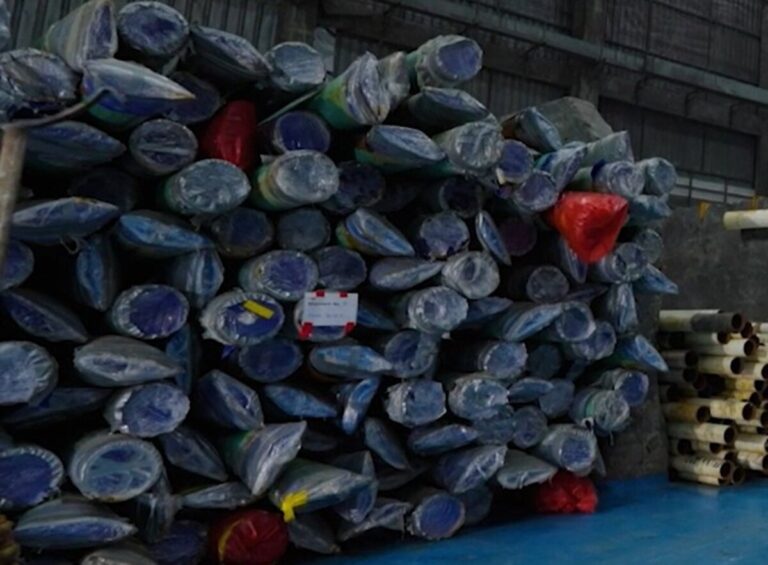
First deployed in 2024 at a licensed hazardous-waste facility in Thailand to clean recovered subsea pipelines carrying mercury-bearing scale for a major operator. Electromotive cleaning was integrated into an existing chemical-soak operation, with low-cost screening and revised workflows that reduced pressure washing, reduced waste and increased throughput. The campaign finished two months ahead of schedule despite a six-week delay in receiving pipe, and cleaned steel consistently met the criteria for conventional recycling.
Pipeline Processed
Ahead of Schedule
Savings to the Operator
Thailand · Southeast Asia · Australia
Invented, Developed and Delivered in Thailand
Electromotive cleaning was invented and developed in Thailand by Western Environmental personnel. It was delivered in partnership with an in-country waste management company. Western Environmental brings the technology, process design and optimisation, and the site assessment and regulatory experience to support clients from characterisation through to release of clean steel. Refinements since the first campaign have further increased throughput and consistency.
SPE Innovation Finalist
Patents, Our Team
Field-Proven Technologies
Talk to us about your decommissioning program
Western Environmental works with operators, decommissioning contractors and recyclers across Australia and Southeast Asia. We can assess whether electromotive cleaning suits your assets and what it would take to deploy.