


Risk-Based Remediation – Site Closure
Documented Savings
Across One Portfolio
Dual-Wall Permeable
Reactive Barrier in Australia
On-Site Contaminant
Destruction
Many contaminated sites are remediated, or monitored, for far longer and at far greater cost than the risk justifies. A screening number is a trigger for assessment, not a clean-up target, yet it is routinely treated as one. Remediation systems run for years without a performance criterion or a defined end state. Our approach starts from the sources, pathways and receptors actually present on the site, derives criteria fit for the intended land use, and sizes the remediation to that. The result is a defensible remediation volume in place of an assumed one, a wider range of management options, and a clear path to sign-off.
The Approach
How We Take a Site to Closure
01
Define the Real Risk
Review the existing dataset against the risk questions being asked. Identify the sources, pathways and receptors that exist on this site, not a generic worst case.
02
Size the Problem
Derive site-specific, risk-based criteria for each land-use parcel, reviewed with the auditor and regulator, and quantify the volume that needs management.
03
Choose on Evidence
A formal options assessment ranking the viable approaches on cost, time and sustainability. Manage, contain, treat or remove, and technology where it lowers the cost.
04
Deliver and Close
Design and deliver with our partners to a defined end state, with the evidence base the auditor and regulator need for sign-off and a management plan for anything left in place.
Worked Example · PFAS in Soil
Same soil, same standard of protection. The criterion moves by a factor of roughly 300 to 6,700 between the most and least sensitive land use. Selecting and justifying the right scenario, and breaking pathways that cannot be argued away (a covenant on bore water, for example), often reduces the volume needing management by an order of magnitude. Source: PFAS National Environmental Management Plan 3.1 human-health investigation levels; criteria are triggers for assessment, not clean-up standards.
|
Land use |
Health Investigation Level |
PFOS + PFHxS (mg/kg) |
|---|---|---|
|
HIL A |
Residential with garden and home-grown produce |
0.003 |
|
HIL C |
Public open space |
1 |
|
HIL B |
Residential with minimal soil access |
2 |
|
HIL D |
Commercial and industrial |
20 |
Competitive Advantage
Risk-Based Closure vs. the Conventional Approach
|
Criteria |
Innovative Remediation |
Conventional Approach |
|---|---|---|
|
Clean-Up Target |
Site-specific criteria derived for the intended land use and reviewed by the auditor |
Generic screening levels applied as clean-up targets |
|
Remediation Volume |
Defensible volume from a site-specific assessment; often an order of magnitude lower |
Assumed from every screening exceedance |
|
Options |
Formal options assessment: manage, contain, treat or remove, ranked on cost, time and sustainability |
A single default option, typically excavation and disposal |
|
Active Systems |
Performance criteria and a defined end state; systems switched off when they have done their job |
Open-ended monitoring and pumping without an end-state target |
|
Who Decides |
Senior principals on every call; accredited auditor, expert witness and toxicologist in house |
Often delegated below the senior level |
|
Technology |
Our own field-proven technologies where they lower the cost of treatment |
Off-site disposal or third-party treatment at market rates |
|
Commercial Basis |
Return tied to the outcome delivered and the savings unlocked |
Hours billed, regardless of the outcome |
Services
What We Do
Site-Specific Risk Assessment & Closure Strategy
Human-health and ecological risk assessment, site-specific criteria and a closure position the auditor and regulator can accept.
Remediation Options Assessment
A structured comparison of the viable approaches on cost, time, sustainability and stakeholder acceptance, with the evidence to back the choice.
Remedial System Design & Optimisation
Design, review and optimisation of soil, groundwater and water-treatment systems, supported by our in-house treatability laboratory for bench and column testing.
Portfolio Risk Ranking
For owners of many sites at varying stages: a consistent, risk-based ranking that directs spend to the sites that matter and identifies those ready to close.
System Rationalisation
Independent review of active remediation and monitoring programs to set performance criteria, define the end state and switch off what is no longer needed.
Contaminated Land Redevelopment
Working with contractors, developers and financiers to de-risk land where contamination is suppressing value, with remediation tailored to the future land use.
The Bench
Senior Judgement on Every Call
James Gibson
Managing Director
Internationally recognised PFAS specialist. Water treatment for PFAS and recalcitrant contaminants in geochemically difficult waters; remediation system design, construction and operation; cost-benefit analysis and delivery-team management.
Dave Thomas
Director, Research & Development
Inventor of HOTTPAD and Electromotive cleaning, 30+ patents. Facilitated a major oil company’s formal remediation peer-review process across Southeast Asia and South Africa; numerous technology deployment firsts across Asia and Australia; Adjunct Professor, UWA.
Dr Dave Reynolds
Principal Hydrogeologist
Accredited Contaminated Sites Auditor (WA and Queensland) and testifying expert in Australia, Canada and the United States. Expert modeller of groundwater flow and contaminant transport; remediation strategy review on high-profile PFAS sites.
Giorgio De Nola
Senior Principal, Risk & Toxicology
Human-health and ecological risk assessment across developments, industry, landfills, mines and material reuse. Peer reviewer for accredited auditors; the toxicological basis for a defensible closure position.
The Toolkit
Technology That Lowers the Cost
Treat on Site
HOTTPAD Thermal Destruction
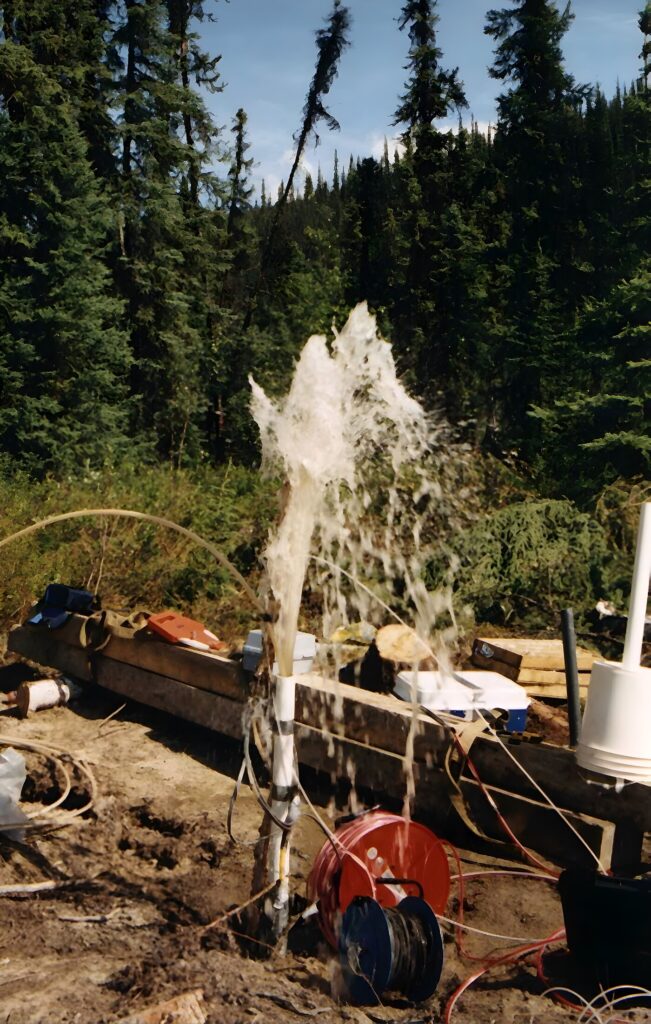
Self-sustaining smouldering combustion for PFAS, hydrocarbon and other recalcitrant organics in soils, sludges, concrete and spent treatment media. Over 99.9% destruction on site, 300,000 m³ treated globally, and around 40% below the cost of conventional thermal treatment. Treated soil is suitable for reuse on site.
Passive Control
Permeable Reactive Barriers & Water Treatment
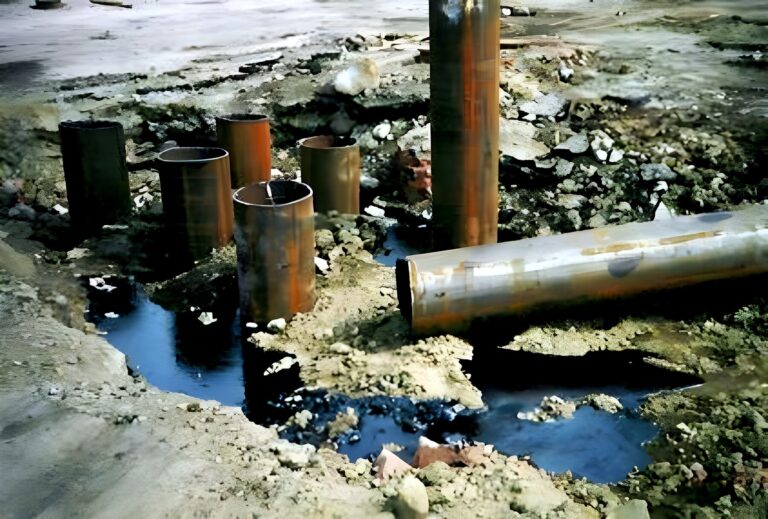
In-ground barriers that treat groundwater under its natural gradient, with no pumps and minimal maintenance, at as little as a third of the lifecycle cost of pump-and-treat. Backed by water-treatment design for difficult geochemistry and an in-house laboratory for jar, bench and column testing of media.
Track Record
Closure by Evidence
Asia · Africa · Australia
Portfolio Peer Review and Site Closures
Within a major international oil company, our team facilitated the formal technical peer review of remediation across a portfolio of sites in Asia, Africa and Australia, documenting more than $20 million in cost reductions, a material share of the portfolio’s spend. Risk-based science demonstrating no ecological or human-health risk achieved more than 20 regulator-approved site closures, in place of years of default ongoing monitoring.
Documented Savings
Regulator-Approved Closures
Continents
Helena River, Perth
Australia’s First Dual-Wall Permeable Reactive Barrier
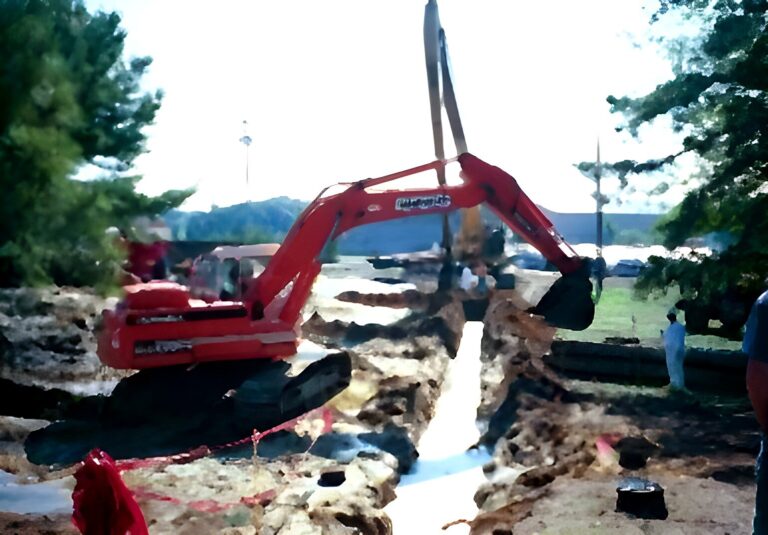
A fire at a former chemical and waste-oil recycling site left chlorinated solvent, hydrocarbon and PFAS plumes migrating towards the Helena River wetland, which discharges to the Swan River. Rather than open-ended pump-and-treat, a competitive tender allowed in-situ methods to compete. Dave Thomas and Dave Reynolds delivered a sequenced two-stage barrier (sand and sawdust, then zero-valent iron) about 80 m long and 11 m deep. No contaminants have been detected in the river since.
Barrier of its Kind in Australia
Long, 11 m Deep
Passive Protection
Talk to us about a site, or a portfolio of them
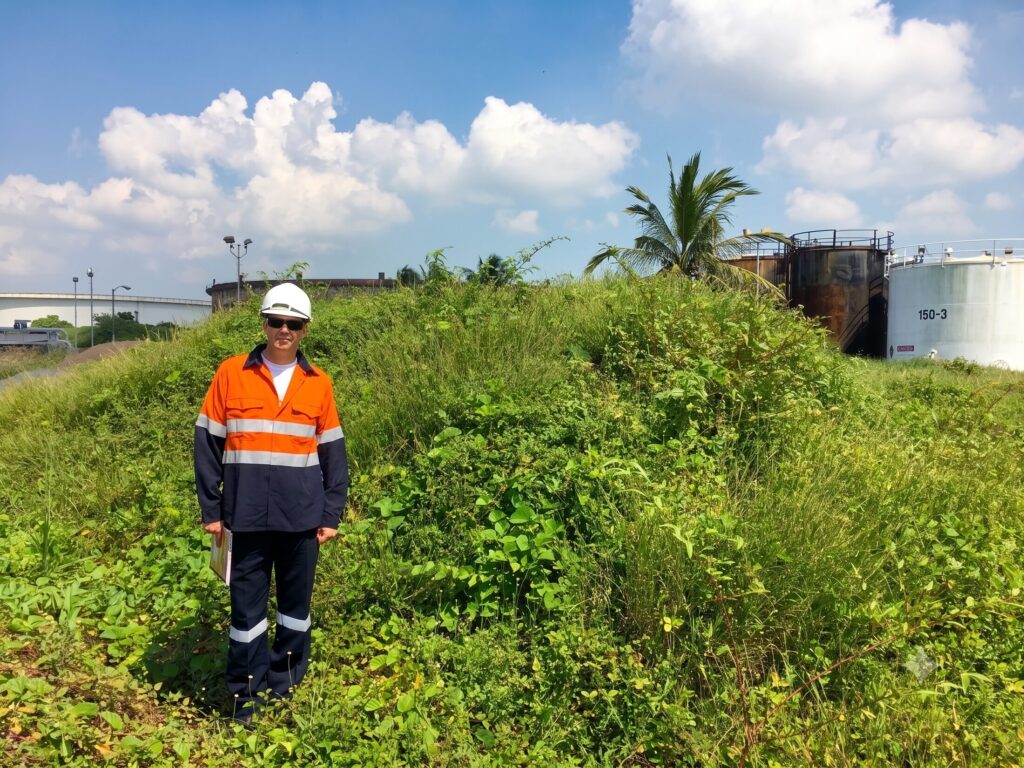
Western Environmental works with site owners, developers and remediation contractors across Australia and the Asia-Pacific. We can review an existing dataset, a running system or a whole portfolio and say where the real risk, and the real saving, sits.